
Categories
The latest content
-
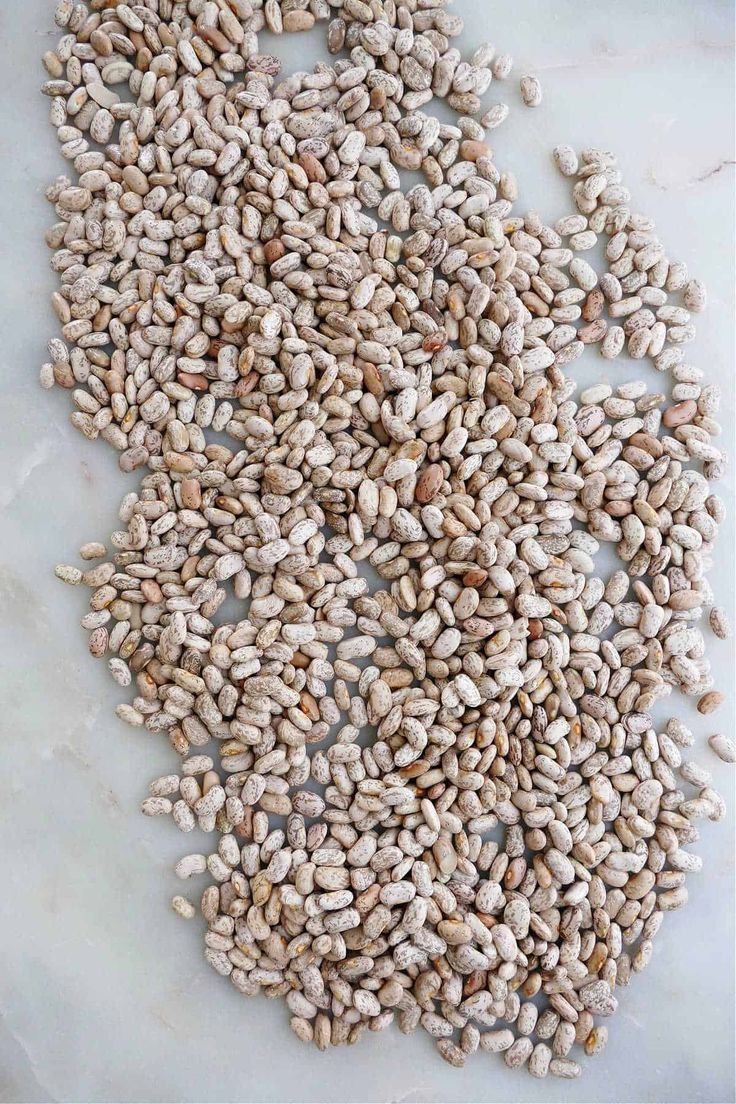
Customs Clearance & Import Regulations for Bulk Iranian Pinto Beans in EU, Middle East & Africa
..
-
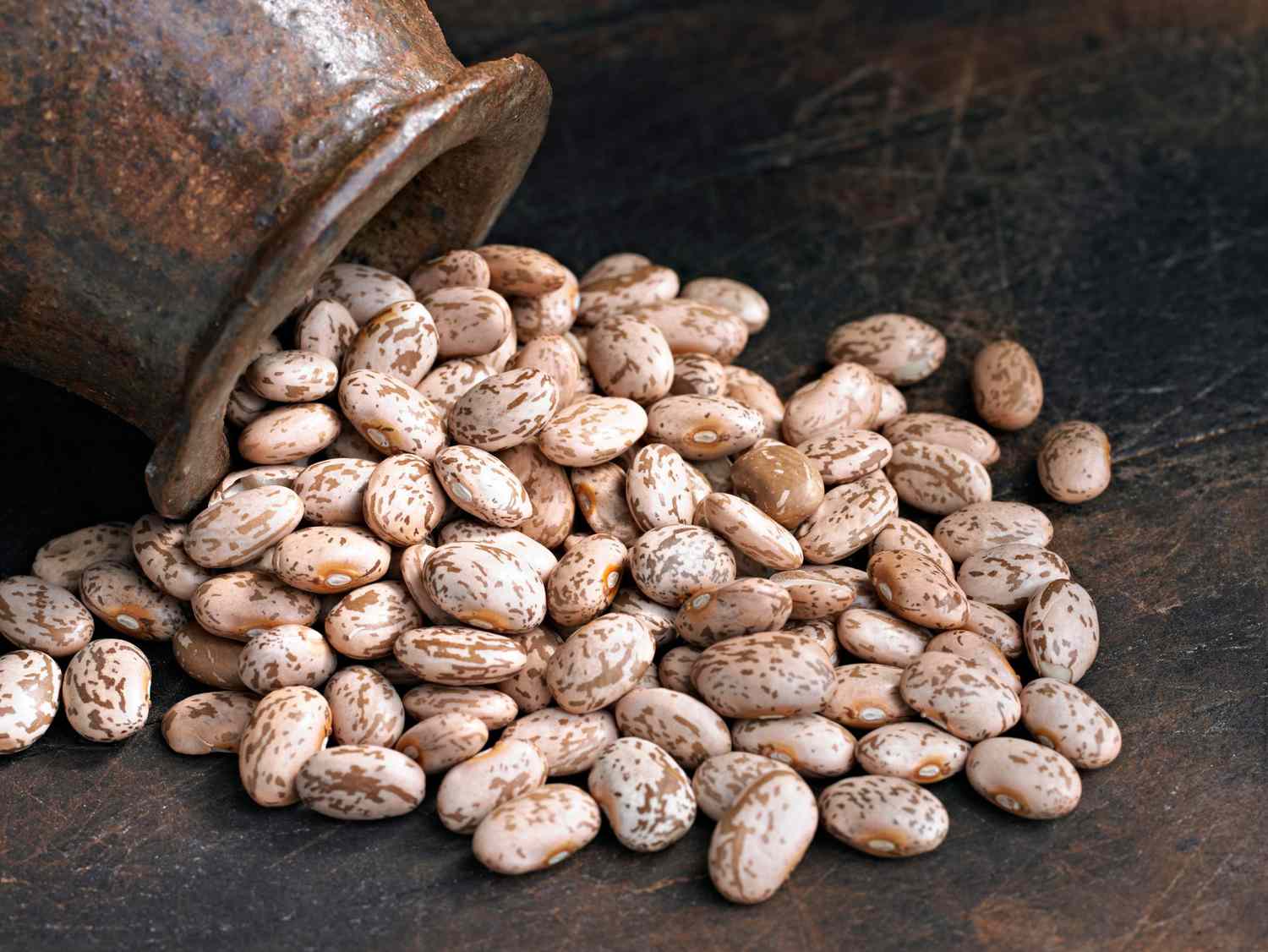
Quality Control & Laboratory Testing Standards for Iranian Pinto Beans
..
-
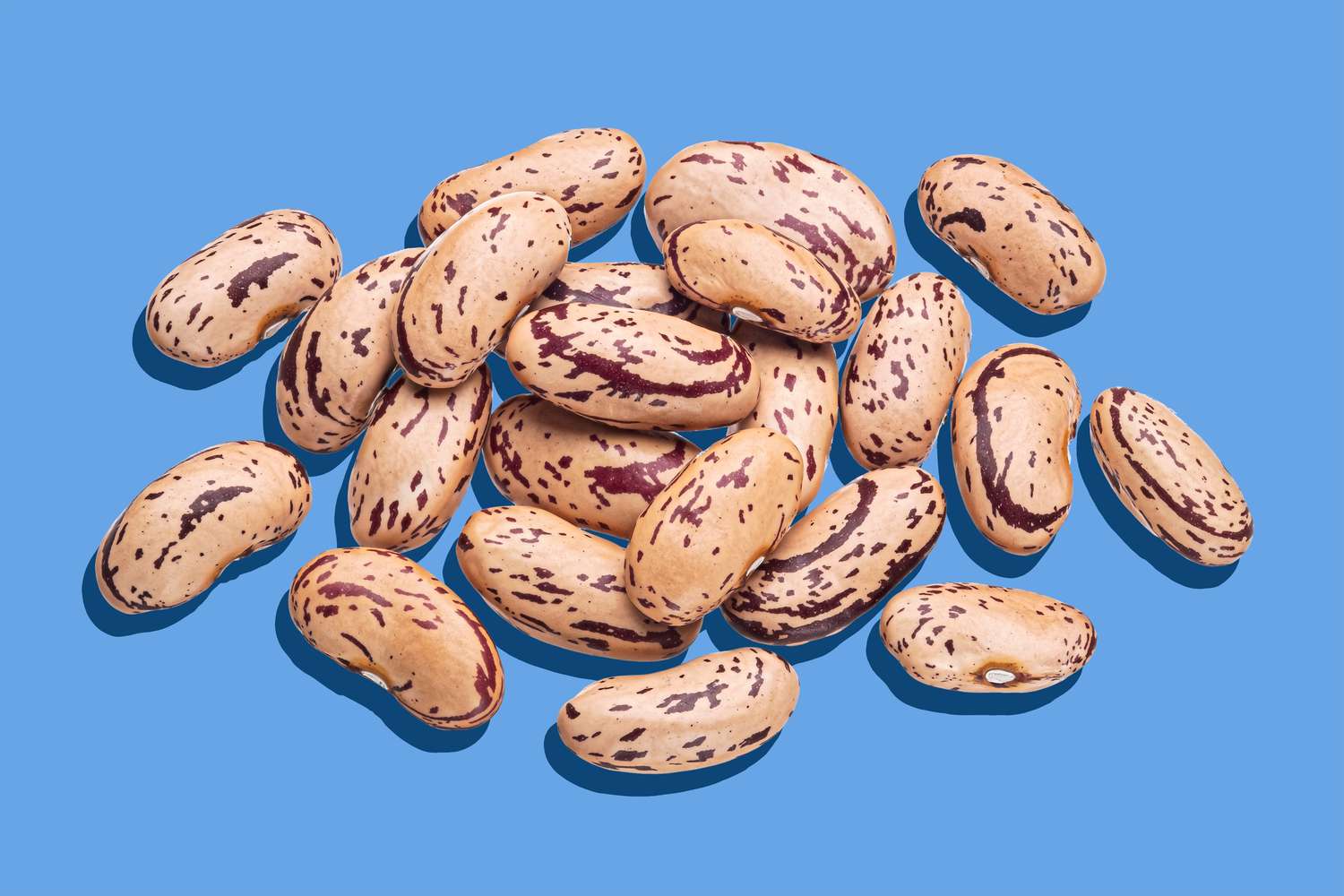
Logistics & Shipping Solutions for Bulk Iranian Pinto Bean Exports
..
-
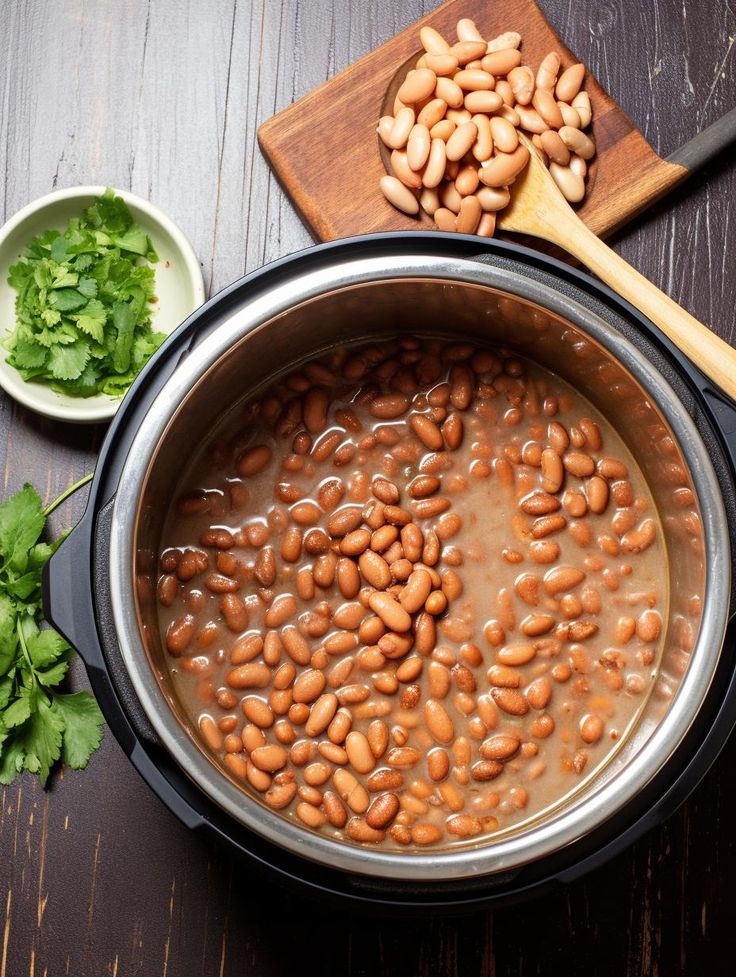
Minimum Order Quantity (MOQ) & Bulk Pricing for Iranian Pinto Bean Buyers
..
Tags
Global Market Trends & Demand Forecast for Iranian Sesame Seeds (2025–2026)

In recent years, Iranian sesame seeds have gained strong recognition in global markets due to their high oil content, purity, and natural flavor. As global consumers and manufacturers continue to shift toward plant-based and healthy food ingredients, the sesame seed market is entering a new growth phase, with Iran playing a strategic role in regional and international supply chains.
At Tamila Agrifood Company, we closely monitor the evolving sesame trade landscape to forecast demand, pricing, and export opportunities for the coming years.
1. Global Sesame Seed Market Overview
The global sesame seed market was valued at USD 7.2 billion in 2024 and is projected to exceed USD 8.6 billion by 2026, growing at an annual rate of around 6.8%.
This growth is driven by:
• Rising consumer demand for natural oils, tahini, and plant-based protein
• Increased use of sesame seeds in bakery, confectionery, and snack products
• Expanding awareness of healthy fats and antioxidants in sesame oil
Iran’s share in global sesame exports is growing steadily, with an estimated export volume of over 85,000 metric tons annually, serving key destinations such as Turkey, the UAE, China, and European Union markets.
2. Emerging Demand Hubs for Iranian Sesame Seeds
Middle East & Gulf Region:
The demand for high-quality sesame seeds for tahini and halva production continues to rise in countries like Saudi Arabia, Qatar, and the UAE. Iran’s geographic proximity and competitive logistics make it a preferred source of supply.
European Union:
With the EU emphasizing organic and traceable food ingredients, Iranian sesame seeds that meet EU Organic, ISO, and HACCP standards are gaining traction in Germany, France, and the Netherlands.
East Asia (China, Japan, South Korea):
Asian markets value white and hulled sesame varieties with high oil yield. Iran’s naturally grown sesame, processed under hygienic conditions, fits perfectly into their quality expectations.
Africa:
Africa is both a producer and importer of sesame. North African buyers — especially in Egypt and Tunisia, are increasingly importing Iranian sesame for oil extraction and retail packaging.
3. Price Trends & Market Forecast (2025–2026)
Global sesame prices are expected to remain stable to moderately bullish through 2025–2026, driven by limited supply growth and increasing demand.
• Average export price in 2024: USD 2,200–2,400 per MT (FOB)
• Forecast for late 2025: USD 2,500–2,800 per MT, depending on grade and certification
• Premium hulled organic sesame may reach USD 3,000+ per MT in European markets
Price volatility may occur due to climate variability, shipping disruptions, or exchange rate fluctuations, but overall sentiment remains positive for Iranian exporters.
4. Key Competitive Advantages of Iranian Sesame Seeds
Iran offers several distinct strengths compared to African or South Asian competitors:
Higher purity & oil content (up to 52%)
Low pesticide residue levels due to semi-organic farming methods
Diverse seed colors, white, golden, and brown
Strategic logistics routes through the Persian Gulf and Bandar Abbas
Strong processing capabilities with advanced cleaning, sorting, and hulling systems
At Tamila Agrifood, our sesame seeds are carefully selected from trusted Iranian farmers and tested in certified labs to ensure consistency and export quality.
5. Sustainability & Traceability; The Future of Sesame Trade
Sustainability is no longer optional. Major importers now demand full traceability, carbon-neutral farming, and ethical sourcing.
Iranian producers are increasingly investing in:
• Drip irrigation systems to conserve water
• Solar-powered processing units
• Blockchain-based traceability solutions
These innovations not only enhance Iran’s global reputation but also increase export prices and long-term buyer confidence.
6. Tamila Agrifood’s Market Outlook for 2025–2026
Based on our export data and international inquiries, demand for Iranian sesame seeds is forecasted to rise by 15–20% by mid-2026, especially for:
• Organic and Hulled varieties in the EU
• Natural White and Brown varieties in the Middle East and Asia
Our goal at Tamila Agrifood is to expand partnerships with international buyers under framework agreements, ensuring stable prices, consistent quality, and timely deliveries.
Conclusion: Iran’s Growing Role in the Global Sesame Landscape
As global food systems shift toward clean, traceable, and health-driven ingredients, Iranian sesame seeds stand out as a sustainable and high-value export product.
With continued investment in quality certifications, modern logistics, and farmer education, Iran is poised to strengthen its position among the top sesame seed exporters worldwide.
At Tamila Agrifood Company, we’re proud to represent this transformation, connecting authentic Iranian sesame seeds to global markets with reliability, transparency, and trust.
Contact our export team:
Email: tamilaagrifood@gmail.com
WhatsApp for Quotations & Inquiries: +989141858935
Let’s shape the future of sesame trade together.