
Categories
The latest content
-
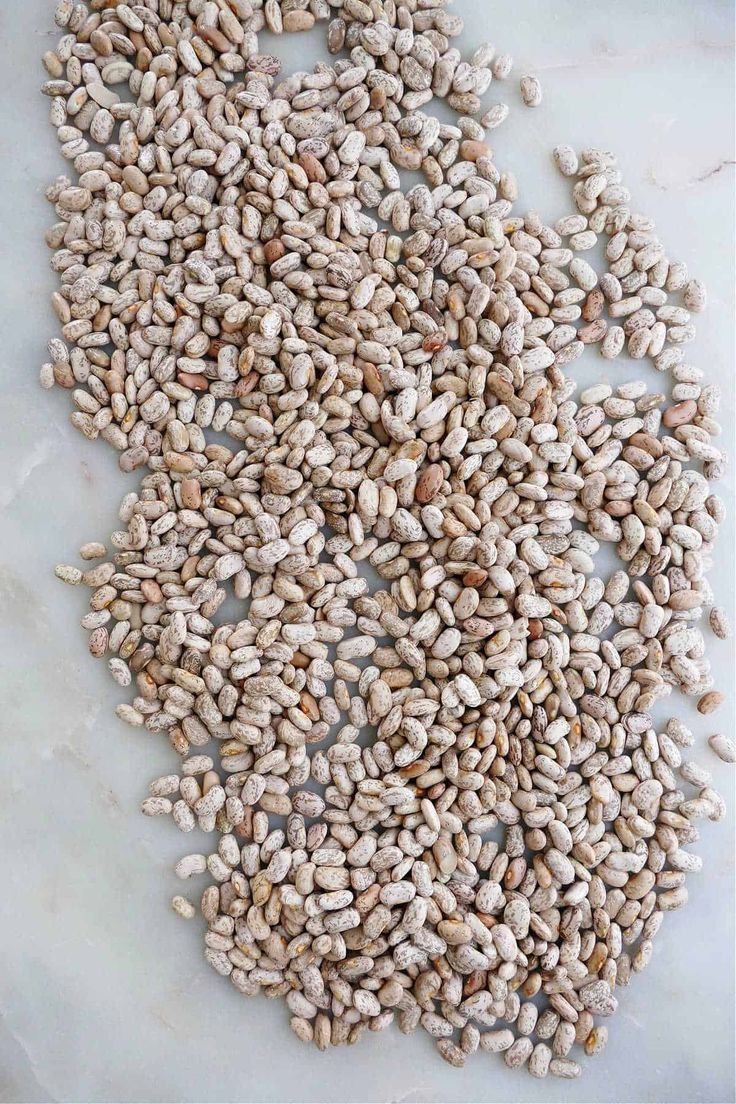
Customs Clearance & Import Regulations for Bulk Iranian Pinto Beans in EU, Middle East & Africa
..
-
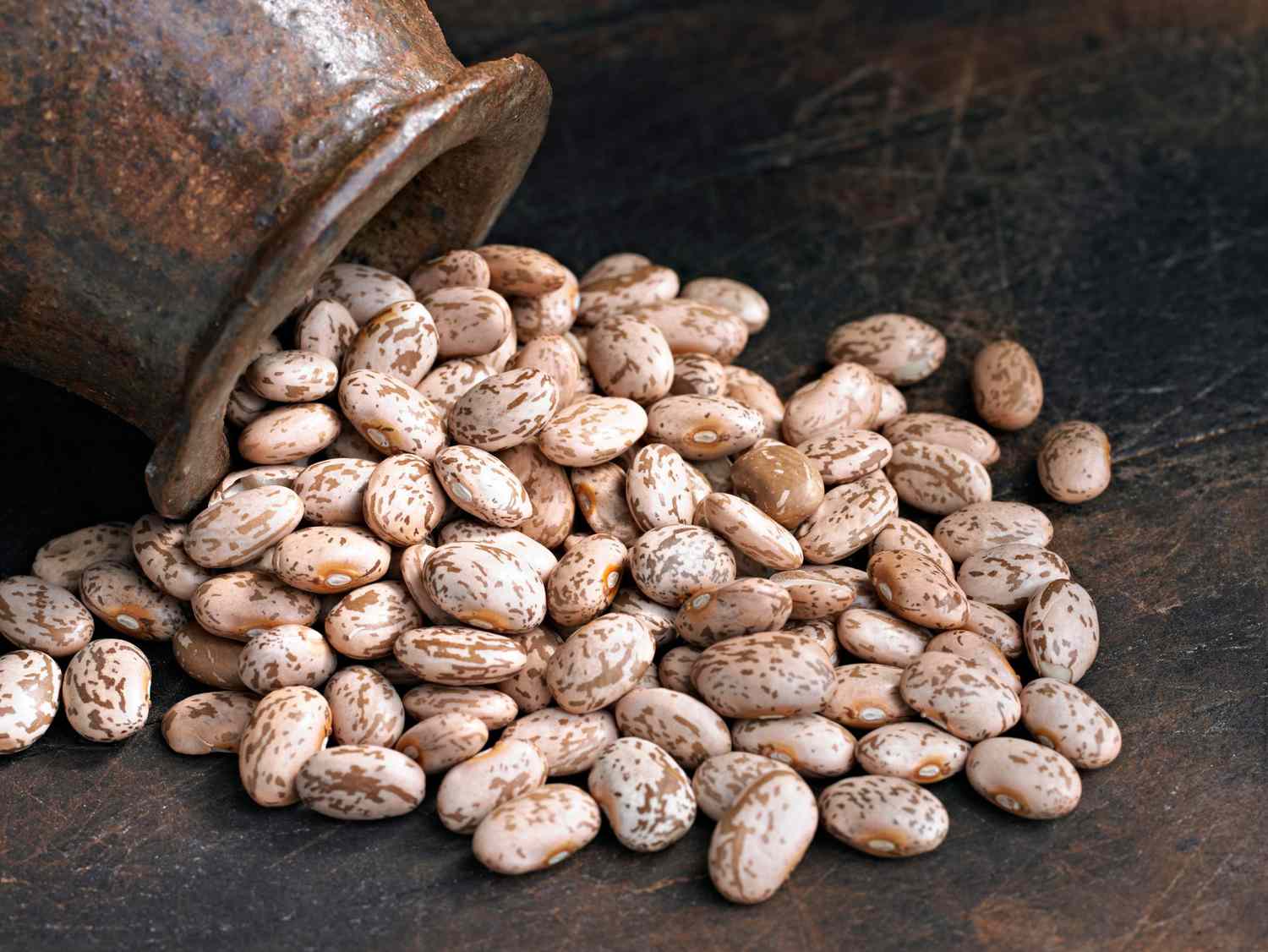
Quality Control & Laboratory Testing Standards for Iranian Pinto Beans
..
-
Logistics & Shipping Solutions for Bulk Iranian Pinto Bean Exports
..
-
Minimum Order Quantity (MOQ) & Bulk Pricing for Iranian Pinto Bean Buyers
..
Tags
Customs Clearance & Import Regulations for Bulk Iranian Sesame Seeds in EU, Middle East & Africa
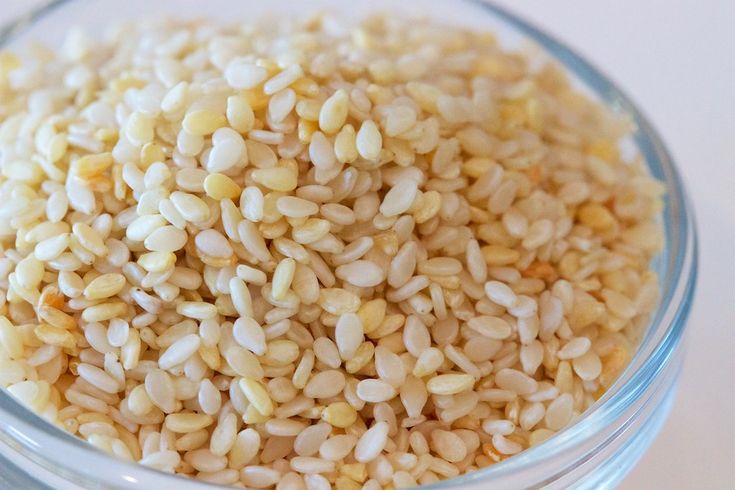
Exporting or importing sesame seeds can be one of the most profitable food trade opportunities, but only if the process is legally compliant and logistically seamless. For Iranian sesame seed exporters and international buyers, customs clearance and import regulations can make or break a deal.
At Tamila Agrifood Company, we specialize in helping our clients navigate complex customs systems across Europe, the Middle East, and Africa, ensuring every shipment of Iranian sesame seeds arrives on time, certified, and fully compliant.
Let’s explore the essential steps, documentation, and regional requirements that importers must know before purchasing in bulk.
1. Understanding the Global Regulatory Landscape
Different regions enforce specific import rules to ensure food safety, traceability, and quality assurance.
Iranian sesame seeds, known for their purity and high oil content, are widely accepted, but compliance with regulations is key.
The three major trade destinations each have unique standards:
• European Union (EU): Strict on pesticide residues, aflatoxin levels, and labeling requirements.
• Middle East (GCC region): Focused on Halal certification, product origin, and labeling in Arabic.
• Africa: Requires phytosanitary certificates and sometimes simplified import permits, depending on the country.
Knowing these distinctions helps importers avoid customs delays and costly rejections.
2. Essential Export & Import Documents
Every sesame seed shipment from Iran must include specific export documents to pass customs inspection smoothly.
Tamila Agrifood ensures that every batch comes with a complete documentation pack, including:
Document Type / Purpose
Commercial Invoice / Declares value, quantity, and buyer/seller details
Packing List / Specifies net/gross weight, bag count, and packaging details
Certificate of Origin (Iran) / Confirms the seeds were cultivated and processed in Iran
Phytosanitary Certificate / Ensures the shipment is pest-free and meets plant health standards
Health Certificate (Ministry of Agriculture) / Proves food-grade quality and hygiene
Halal Certificate (for GCC & Muslim-majority countries) / Confirms compliance with Islamic food standards
Bill of Lading (B/L) / Shipping document for transport tracking
Insurance Certificate / Protects against shipment loss or damage
All these documents are verified and legalized through Iran’s Chamber of Commerce and Ministry of Foreign Affairs before shipment.
3. Customs Clearance in the European Union
The EU market values traceability and safety above all.
To import Iranian sesame seeds successfully into the EU, importers must meet the following requirements:
• EU Food Safety Standards: Compliance with Regulation (EC) No. 852/2004 (food hygiene)
• Maximum Aflatoxin Levels: As per EU Regulation (EC) No. 1881/2006, total aflatoxin content ≤ 10 μg/kg
• Pesticide Residue Limits: Must comply with EFSA (European Food Safety Authority) thresholds
• Mandatory Labeling: Country of origin, batch number, allergen information, and net weight
• EU Port Clearance: Inspections at major entry points (Rotterdam, Hamburg, Antwerp) via TRACES system
Tamila Agrifood ensures that all sesame shipments undergo third-party laboratory testing in Iran prior to export, ensuring smooth clearance and zero risk of border rejection.
4. Import Rules in the Middle East (GCC Countries)
The Middle East, especially UAE, Saudi Arabia, Qatar, and Oman, has a growing demand for high-quality Iranian sesame seeds used in tahini, halva, and bakery industries.
To comply with GCC regulations, exporters must:
• Obtain a Halal Certificate from an accredited Iranian authority
• Include Arabic labeling with product name, origin, and expiration date
• Register the product with municipal food control departments (Dubai Municipality, SFDA, etc.)
• Ensure moisture content ≤ 6% and foreign matter ≤ 1%
Shipments entering through ports like Jebel Ali (UAE) or Dammam (KSA) must go through customs clearance agencies familiar with GCC import codes for sesame (HS Code: 120740).
Tamila Agrifood works directly with regional customs brokers to minimize inspection delays and ensure a 48–72 hour clearance timeline.
5. African Market Regulations
African countries, particularly Egypt, Kenya, South Africa, and Nigeria, are becoming emerging importers of Iranian sesame due to growing local food industries.
Common requirements include:
• Phytosanitary Certificate (mandatory)
• Certificate of Analysis for purity and aflatoxin level
• Import Permit (for certain East African countries)
• Customs Tariff Codes, typically under HS Code 120740
Many African ports (e.g., Mombasa, Durban, Alexandria) use simplified clearance systems, but local authorities can still delay shipments lacking full documentation.
To prevent this, Tamila Agrifood partners with licensed clearing agents who pre-register the shipment with customs before vessel arrival.
6. Shipping Routes & Port Efficiency
Efficient logistics mean faster customs clearance.
Iranian sesame seeds are exported mainly through:
• Bandar Abbas Port (Persian Gulf) → For Middle East & Africa
• Imam Khomeini Port → For bulk containers to Europe
• Road shipments via Turkey → For EU destinations (direct to Italy or Germany)
Transit times typically range from:
• EU: 14–20 days
• GCC: 3–7 days
• Africa: 10–18 days
Tamila Agrifood provides real-time tracking and pre-clearance coordination so importers can start their local distribution as soon as the shipment lands.
7. Common Customs Challenges & How to Avoid Them
Even experienced importers face issues such as:
• Incomplete documentation (especially missing phytosanitary certificate)
• Mismatch between invoice and packing list details
• Incorrect labeling (non-English or missing origin)
• High aflatoxin or pesticide residue levels
Tamila Agrifood’s prevention process:
• Pre-shipment inspection by SGS or local authorities
• Double verification of all export documents
• Sample submission to destination country labs (if required)
• Compliance with Codex Alimentarius and ISO standards
By managing compliance at the source, we help buyers avoid demurrage fees, storage charges, and rejections.
8. Key Compliance Standards Every Importer Should Know
Certification / Purpose / Applicable Regions
ISO 22000:2018 / Food Safety Management / EU, GCC, Africa
HACCP / Risk prevention during processing / Global
Halal Certification / Religious compliance / Middle East, Africa
Phytosanitary Certificate / Plant health safety / Global
Organic Certification / For premium buyers / EU, Japan
Certificate of Origin / Customs proof of Iranian source / All
Each certification boosts your sesame seed’s market credibility and ensures faster customs clearance.
9. How Tamila Agrifood Simplifies the Process?
As a professional exporter of premium Iranian sesame seeds, we go beyond production, we handle the paperwork, compliance, and logistics for our partners.
Our Export & Regulatory Department offers:
• Document legalization at the Iranian Chamber of Commerce
• Coordination with certified inspection bodies (SGS, Bureau Veritas)
• Real-time customs tracking updates
• Support with destination country import codes and taxes
This means our buyers spend less time on paperwork and more time building their sesame business.
10. Final Thoughts; Seamless Trade Through Trust & Transparency
Customs clearance may sound complicated, but with the right partner, it becomes a smooth, transparent process.
At Tamila Agrifood, we combine agricultural expertise with regulatory precision, ensuring every shipment of Iranian sesame seeds meets international import standards from field to port.
Whether you’re importing to Europe, distributing across the GCC, or entering African markets, our team ensures your sesame arrives safe, certified, and on schedule.
Contact us:
Email: tamilaagrifood@gmail.com
Call / WhatsApp: +989141858935
Tamila Agrifood; Exporting Trust with Every Sesame Seed!